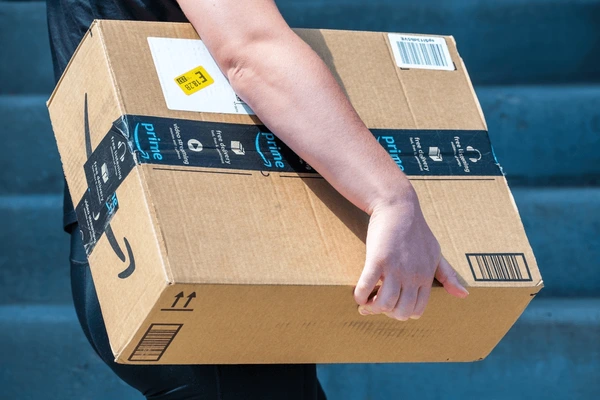
E-commerce in the United States has transformed how Americans buy and sell products, shaping consumer behavior, logistics, and even employment. Among countless online shopping platforms — from Walmart and Target to niche brands like Etsy — Amazon stands as the undisputed leader. What began as a small online bookstore in 1994 is now a global digital empire that influences nearly every aspect of online retail. Amazon’s dominance is not accidental. It’s built on innovation, speed, trust, and an obsession with customer satisfaction. In 2025, over 60% of U.S. households have Amazon Prime memberships, and more than 50% of all e-commerce transactions in the country occur through Amazon’s ecosystem. Let’s explore what makes Amazon the best online platform for e-commerce in the United States — from its humble origins to its cutting-edge technologies and future outlook.
Origins and Evolution
Amazon was founded in 1994 by Jeff Bezos in Seattle, Washington. Originally named Cadabra, Bezos soon changed it to Amazon (after the world’s largest river) to reflect his ambition of creating the world’s largest online marketplace.
The company launched in July 1995 as an online bookstore. Bezos’s mission was clear: to make it possible for anyone to find and purchase books they wanted through the internet — something revolutionary at the time. Within a month, Amazon was shipping books to all 50 U.S. states and 45 countries.
From there, Amazon expanded rapidly. By the late 1990s, it began selling CDs, electronics, and toys. The early 2000s saw Amazon transforming from a retailer to a technology-driven marketplace, allowing third-party sellers to list their own products. This decision was pivotal — it shifted Amazon from simply a store to a platform that empowers millions of small and medium businesses.
Amazon’s E-Commerce Ecosystem
Amazon is not just a website — it’s a complete digital ecosystem. Its services and features interconnect to provide an unmatched customer experience.
a. Amazon Marketplace
- A platform for independent sellers to list products alongside Amazon’s own inventory.
- Over 2 million active sellers in the U.S. alone.
- Sellers can use Amazon’s logistics services (Fulfillment by Amazon, or FBA) for storage, packaging, and shipping.
b. Fulfillment by Amazon (FBA)
- A core feature allowing sellers to send inventory to Amazon’s fulfillment centers.
- Amazon handles storage, packaging, shipping, customer service, and returns.
- Enables small businesses to compete with large brands by offering Prime-eligible products.
c. Amazon Prime
- A paid subscription ($139/year in 2025) offering perks like:
- Free 1–2 day delivery
- Prime Video (streaming service)
- Prime Music
- Amazon Photos cloud storage
- Exclusive deals during Prime Day
- Over 200 million global subscribers, with two-thirds of U.S. households enrolled.
d. Product Range
Amazon’s product catalog includes over 350 million items across nearly every category:
- Electronics, Books, Fashion, Home, Beauty, Automotive, Groceries, and more.
- Sub-platforms like Amazon Fresh and Whole Foods Market integrate grocery delivery into the ecosystem.
e. Amazon Web Services (AWS)
Though not directly consumer-facing, AWS provides the cloud infrastructure that powers Amazon and much of the internet. It’s the backbone of the company’s ability to scale globally and remain reliable.
Innovations and Technology
Amazon’s success is deeply rooted in its relentless innovation.
Artificial Intelligence & Machine Learning
Amazon’s recommendation engine — “Customers who bought this also bought…” — drives 35% of all sales. Machine learning models predict what users might want before they even search for it.
Alexa and Smart Devices
Through Alexa and Echo devices, Amazon entered the smart home market, allowing users to shop via voice commands and integrate their homes with Amazon’s ecosystem.
Logistics & Delivery Innovation
Amazon owns one of the largest logistics networks in the world, including:
- 40+ air cargo planes (Amazon Air)
- Hundreds of delivery stations
- Amazon Flex gig delivery program
- Drone delivery (Prime Air) pilot programs in select U.S. cities
Amazon Go & Just Walk Out Technology
Physical convenience stores using sensors and AI to allow customers to shop without checkout lines. Purchases are automatically billed through their Amazon account.
User Experience
Amazon’s user experience is built around convenience, personalization, and trust.
- One-click purchasing: Simplifies checkout to a single button.
- Personalized homepage: Displays recommendations based on browsing and purchase history.
- Transparent reviews: Customer feedback drives trust and helps new shoppers make decisions.
- Easy returns: Hassle-free return policy with instant refunds for Prime users.
- 24/7 support: Through chat, email, and phone.
The site’s design may not be flashy, but it’s efficient. Every feature is data-driven to minimize friction in the buying process.
Economic and Social Impact
Empowering Small Businesses
Over 1.9 million small and medium-sized U.S. businesses sell through Amazon. Many report doubling or tripling their revenue after joining.
Job Creation
Amazon employs over 1.5 million people globally, with more than 900,000 in the U.S. alone. These range from warehouse staff to AI engineers.
Sustainability Initiatives
Amazon aims to reach net-zero carbon emissions by 2040 and has invested billions in renewable energy, electric delivery vehicles, and sustainable packaging.
Challenges and Criticisms
Despite its success, Amazon faces several criticisms:
- Labor Conditions: Reports of demanding warehouse environments and worker surveillance.
- Monopoly Concerns: Critics argue Amazon’s size stifles competition.
- Data Privacy: Some concerns about how consumer data is used across Amazon’s platforms.
- Third-party Seller Pressure: Amazon sometimes competes with the same sellers it hosts, using sales data for its own private-label products.
However, Amazon has taken steps to address these issues, including wage increases, sustainability programs, and stricter compliance rules for sellers.
Competitors in the U.S. Market
While Amazon leads, other platforms play strong roles:
| Platform | Strength |
|---|---|
| Walmart.com | Competitive pricing, strong in grocery delivery |
| Target.com | Popular for quality and style |
| eBay | Auctions and collectibles |
| BestBuy.com | Electronics and tech |
| Etsy | Handmade and vintage goods |
| Shopify | Enables independent stores to sell online |
Future of Amazon and U.S. E-Commerce
The next decade will see Amazon integrating more AI-driven personalization, autonomous delivery systems, and AR/VR shopping experiences.
Emerging trends include:
- Voice shopping becoming mainstream via Alexa.
- Same-day delivery expanding beyond urban areas.
- Sustainability-driven buying — eco-friendly packaging and carbon-neutral shipping.
- Integration of AI shopping assistants that act like personal buyers.
Amazon Is the Best U.S. E-Commerce Platform
- Unmatched scale: Largest catalog and fastest delivery system.
- Customer trust: Over 25 years of brand reliability.
- Prime loyalty: Millions of returning customers.
- Innovation engine: AI, robotics, and logistics tech.
- Seller empowerment: Marketplace opportunities for entrepreneurs.
- Convenience: One-click checkout, easy returns, mobile apps, and 24/7 access.