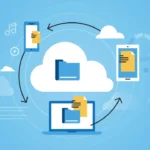
The financial landscape in the United States has undergone a dramatic transformation in the past two decades. Traditional methods such as cash, checks, and bank transfers are rapidly being supplanted by digital payment solutions, enabling faster, more secure, and highly convenient transactions. Online payment systems now underpin e-commerce, peer-to-peer transfers, bill payments, and cross-border trade, forming the backbone of the U.S. digital economy. The widespread adoption of smartphones, internet connectivity, and fintech innovation has made digital finance not just a convenience but a necessity in daily life.
Definition and Core Concept
Online payment refers to the electronic transfer of money between individuals, businesses, or financial institutions using the internet. This includes a wide variety of mechanisms:
- E-commerce Payments: Paying for goods and services online.
- Peer-to-Peer Transfers (P2P): Sending money directly to friends or family.
- Mobile Payments: Transactions through apps like Apple Pay or Google Wallet.
- Bank Transfers & Digital Wallets: Managed via online banking or stored-value accounts.
The main goals are speed, convenience, security, and traceability, allowing users to transact without physical cash or checks.
Key Players in Online Payment in the USA
A. PayPal
- Founded in 1998, headquartered in San Jose, California.
- One of the earliest and most widely used online payment systems globally.
- Features include digital wallets, merchant solutions, peer-to-peer transfers, and international payments.
- Integrated with platforms like eBay (historically) and major e-commerce websites.
B. Stripe
- Founded in 2010 in San Francisco, a fintech giant powering payment infrastructure for online businesses.
- Offers APIs for developers, enabling e-commerce platforms, SaaS, and subscription-based businesses to accept payments seamlessly.
- Features include recurring billing, fraud detection, multi-currency payments, and advanced analytics.
C. Square
- Founded by Jack Dorsey in 2009, originally focused on mobile point-of-sale systems.
- Expanded to online payment processing, small business loans, and payroll solutions.
- Known for hardware integration (card readers, POS systems) and business finance services.
D. Venmo
- A PayPal-owned P2P mobile app, popular among millennials and Gen Z.
- Enables instant money transfers, social feed interactions, and debit card-linked payments.
- Facilitates split payments, bill sharing, and small-scale transactions.
E. Apple Pay, Google Wallet, Samsung Pay
- Mobile wallet platforms integrated into smartphones.
- Allow tap-to-pay in physical stores, in-app purchases, and web payments.
- Employ tokenization and biometric security for secure transactions.
F. Traditional Banks’ Digital Platforms
- Bank of America, Chase, Wells Fargo, and Citi offer robust online banking solutions.
- Enable bill payments, P2P transfers, ACH transactions, mobile deposits, and digital wallets.
Technology Behind Online Payments
Online payment systems rely on complex technological frameworks:
A. Payment Gateways
- Serve as intermediaries between merchants, banks, and consumers.
- Example: Stripe, PayPal, Square.
- Encrypt transaction details and authorize payments securely in real-time.
B. Digital Wallets
- Store credit/debit cards, bank accounts, and cryptocurrencies.
- Allow users to pay instantly online or in-store.
- Feature biometric authentication, NFC technology, and QR codes.
C. Blockchain and Cryptocurrency
- Emerging segment enabling decentralized payments without intermediaries.
- Bitcoin, Ethereum, and stablecoins facilitate cross-border transfers, remittances, and smart contracts.
D. Security Protocols
- SSL/TLS encryption ensures secure data transfer.
- Tokenization replaces card details with unique tokens.
- Multi-factor authentication, biometric verification, and AI-driven fraud detection prevent unauthorized access.
E. APIs and Developer Tools
- APIs from Stripe, PayPal, and Square allow businesses to integrate payment processing into apps, websites, and platforms.
- Enable features like subscription management, recurring billing, and invoicing automation.
Types of Online Financial Transactions
A. Consumer-to-Business (C2B)
- Shopping online through Amazon, eBay, or Walmart.com.
- Payments processed via credit/debit cards, PayPal, Apple Pay, or Stripe.
B. Peer-to-Peer (P2P)
- Sending money directly to friends or family via Venmo, Zelle, or PayPal.
- Eliminates the need for cash or checks, enabling instant, traceable transfers.
C. Business-to-Business (B2B)
- Payments between companies for services, inventory, or software.
- Platforms like Bill.com, Stripe, and PayPal facilitate invoicing, recurring payments, and bulk transfers.
D. Mobile Payments
- Use of smartphones and wearables for both in-store and online payments.
- Features tap-to-pay, QR codes, and app-based purchases.
Regulatory and Compliance Framework
Online payment systems in the U.S. operate under strict financial regulations to ensure consumer protection and fraud prevention:
- Federal Trade Commission (FTC): Monitors consumer protection and deceptive practices.
- Financial Crimes Enforcement Network (FinCEN): Regulates anti-money laundering (AML) compliance.
- Payment Card Industry Data Security Standard (PCI DSS): Ensures secure credit card handling.
- State-Level Licensing: Some states require money transmitter licenses.
- Consumer Financial Protection Bureau (CFPB): Protects users from unfair practices.
Compliance is crucial for trust and legitimacy, particularly as online payments grow more complex.
Economic and Cultural Impact
A. E-Commerce Growth
- Online payments have enabled the explosive growth of U.S. e-commerce, from small businesses to global retailers.
- Platforms like Shopify, Etsy, and Amazon rely heavily on integrated online payments.
B. Financial Inclusion
- Mobile wallets and online banking bring unbanked populations into the financial ecosystem, promoting accessibility.
- Small business owners can receive payments digitally, enabling entrepreneurship in underserved communities.
C. Convenience and Consumer Behavior
- Consumers now prefer digital payments for speed, traceability, and rewards programs.
- Socially integrated apps like Venmo introduce gamified financial interactions.
D. Cross-Border Trade
- Online payment systems streamline international transactions, converting currencies and mitigating fees.
- U.S. companies can easily pay global freelancers, suppliers, and partners.
Challenges and Risks
Despite its growth, online finance faces challenges:
- Fraud and Cybercrime: Phishing, card-not-present fraud, and account takeovers are persistent risks.
- Privacy Concerns: Sensitive financial data may be vulnerable to breaches.
- Regulatory Complexity: Compliance with multiple federal and state regulations is challenging.
- Technical Reliability: Downtime or system errors can disrupt commerce.
- Digital Divide: Some populations still lack access to online payment tools or banking infrastructure.
Providers mitigate these risks with advanced AI, encryption, fraud detection, and compliance monitoring.
Emerging Trends in the USA
A. Buy Now, Pay Later (BNPL)
- Services like Afterpay, Klarna, and Affirm allow consumers to pay in installments.
- Popular among millennials and Gen Z for online shopping flexibility.
B. Cryptocurrencies and Stablecoins
- Companies like PayPal, Coinbase, and BitPay enable crypto payments.
- Blockchain facilitates faster, transparent, and low-cost cross-border transactions.
C. AI and Fraud Prevention
- Machine learning models analyze transaction patterns to detect anomalies and prevent fraud in real-time.
D. Embedded Finance
- Non-financial apps, such as ride-sharing or e-commerce, integrate banking and payment services directly within the app ecosystem.
E. Contactless and Mobile Wallet Adoption
- Apple Pay, Google Wallet, and Samsung Pay continue to replace physical cards, especially post-pandemic.
Leading Online Payment Platforms in the U.S. Market
| Platform | Strength | Target Audience | Unique Feature |
|---|---|---|---|
| PayPal | Trusted global platform | Individuals, merchants | International transfers & digital wallet |
| Stripe | Developer-friendly | Online businesses | Advanced API integration & subscription management |
| Square | SMB solutions | Small businesses & retailers | POS hardware + online payment integration |
| Venmo | Social payments | Millennials & Gen Z | Social feed + instant transfers |
| Apple Pay / Google Wallet | Mobile payments | Consumers & retailers | Tap-to-pay + biometric security |
| Zelle | Bank-to-bank transfers | Bank customers | Instant P2P transfers directly from bank accounts |